

In this edition of Ghost Bites:
- ArcelorMittal: from bad to worse
- Glencore is on track for full year production, but the second half will be critical
- Shaftesbury Capital’s London West End strategy keeps paying off
- Valterra Platinum just banked the third highest interim profit in company history
Hungry to learn as much as possible? Check out my latest YouTube video explaining Boxer and Vodacom’s growth:
ArcelorMittal: from bad to worse (JSE: ACL)
Things can always get worse than they already are
Whenever I read an ArcelorMittal trading statement or set of financial results, I imagine that this is what it must be like for the finance team writing the announcement:
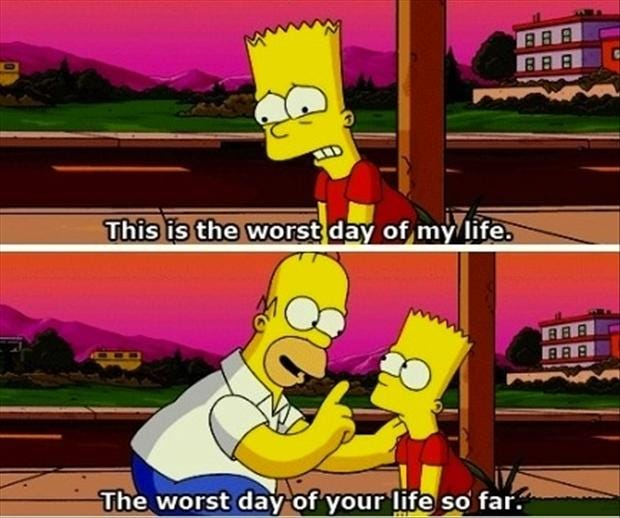
In the six months to June 2026, ArcelorMittal has shown us once again that things can always get worse than they already are. In the comparable period, they reported a headline loss per share of -91 cents. For this period, they expect a deterioration to an even uglier loss of between -R1.32 and -R1.37.
The share price is R1.30 (after falling 6.5% on the day), so this puts ArcelorMittal on a P/E of -1x. That’s something you won’t see very often.
Here’s the thing that might really surprise you though: the share price is up 48% over 12 months! Why? Because the market is hoping that the IDC will rescue this thing with some kind of transaction that creates value for shareholders.
Ghost Bites: Hope isn’t a strategy in business. It shouldn’t be a strategy in investing, either.

Glencore is on track for full year production, but the second half will be critical (JSE: GLN)
All but one of the underlying commodities is weighted towards H2 production
Based on a production report for the first six months of the year, Glencore feels like the company is on track to meet guidance for copper, zinc and nickel.
The nuance here is that this is despite the sale of a copper and zinc mine, so the rest of the copper and zinc mines are actually running ahead of guidance. There are small adjustments to the mid-points of guidance for energy (1Mt up) and steelmaking coal (1Mt down).
Being in line with guidance doesn’t tell you anything about the direction of travel. It merely tells you that the mines are performing in line with management expectations. You can easily see this by scanning the table dealing with year-on-year production movements, including moves like +15% in copper and -46% in cobalt.
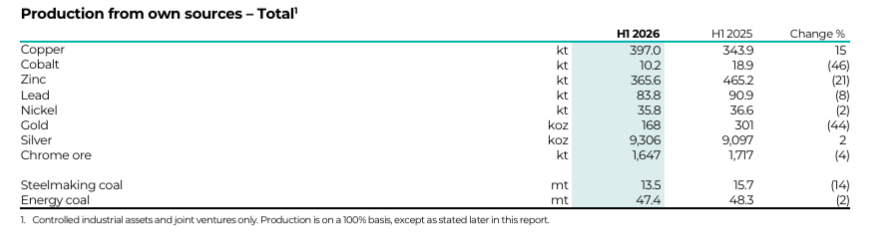
Like all mining groups, Glencore has to manage numerous potential sources of volatility. It’s not just about the grade of the ore, either. In the the DRC for example, there’s a cobalt export quota regime that is hurting operations. Another interesting element in this period was the voluntary production curtailment of energy coal at Cerrejón in response to market conditions.
With so many risks to manage, the market would love to see a situation in which production is weighted towards the first half and thus already in the bank. Alas, zinc is the only commodity with a tilt towards production in the first half (51% vs. 49% in H2). Steelmaking coal is sitting at a 44% – 56% split. Copper, the metal that everyone cares the most about, is 47% – 53%.
Ghost Bite: There’s all to play for in the second half. The share price is up 27% year-to-date, with the market paying plenty of attention to any mining house with a meaningful copper position.
Shaftesbury Capital’s London West End strategy keeps paying off (JSE: SHC)
A differentiated strategy can be so powerful – including in property
Shaftesbury’s results for the six months to June 2026 enjoyed ongoing strength in the London West End portfolio. As they say: location, location, location!
In fact, this portfolio is a great example of what real-life Monopoly would look like:
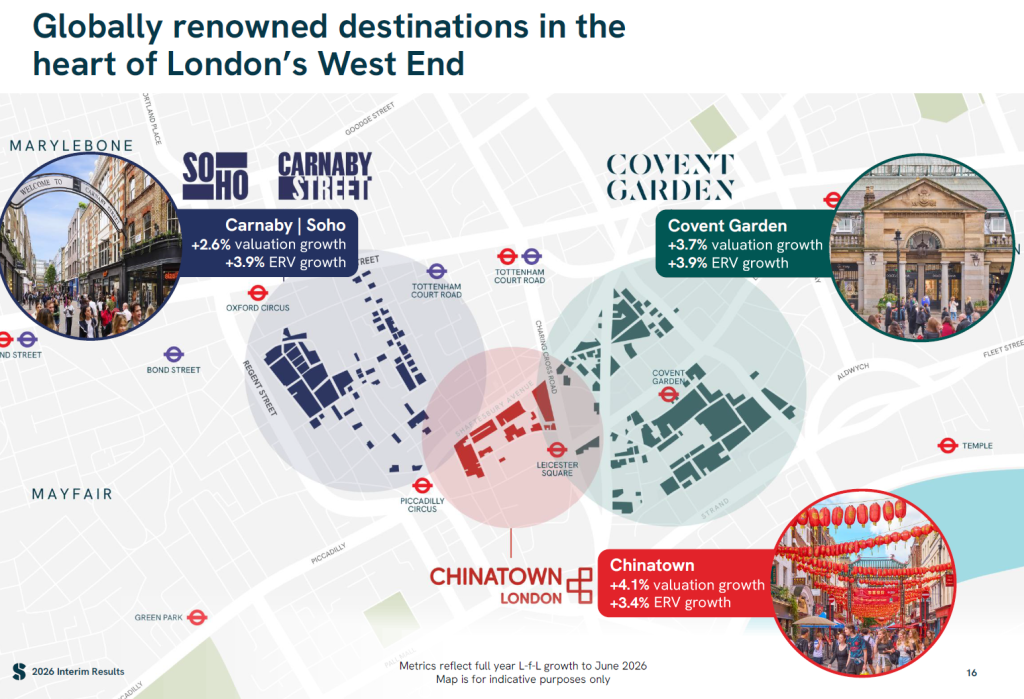
New leases achieved rentals that were 18% ahead of the previous passing rents. The fund’s overall rental base increased by 3.8% on a like-for-like basis, while the portfolio valuation moved 3.4% higher on a similar basis.
Earning were up by 8%, but the bigger highlight is that the interim dividend increased by a delightful 16% to 2.2 pence per share. This is quite the growth rate for a fund that operates in hard currency!
The fund recycled capital via disposals of £64.7 million and acquisitions of £31.2 million. The loan-to-value is all the way down at 16.1%, so this balance sheet has plenty of firepower. As a reminder of how different the interest rates can be across developed vs. emerging markets, Shaftesbury’s weighted average cost of debt is 3.9%.
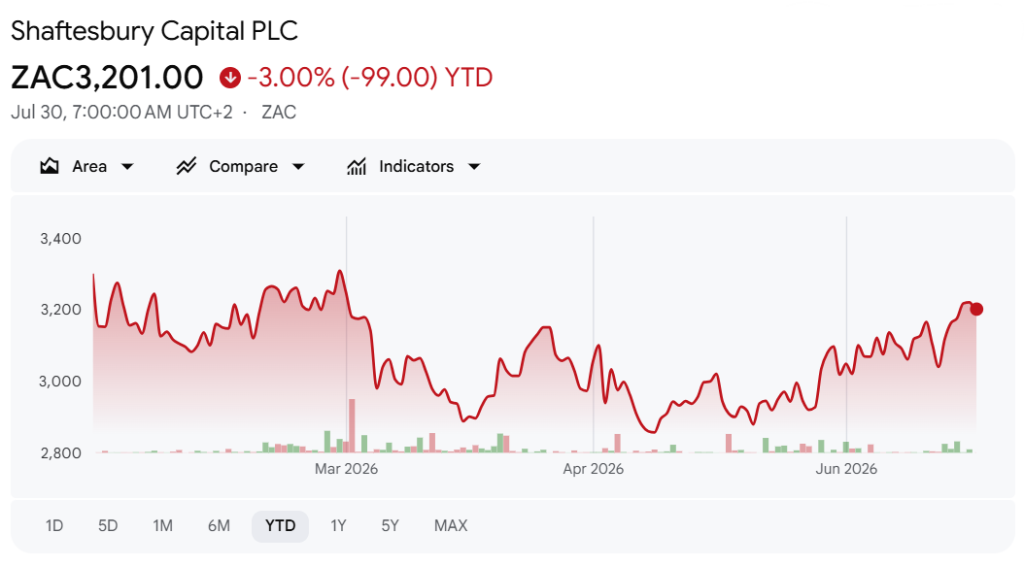
Ghost Bite: Despite this solid underlying performance, the share price is only flat year-to-date. It’s been on quite the adventure though, as sentiment soured when conflict broke out in Iran:
Valterra Platinum just banked the third highest interim profit in company history (JSE: VAL)
The PGM sector played ball in the first half of 2026
Valterra Platinum has shown us exactly what it looks like when the PGM sector shines. For the six months to June 2026, revenue jumped by a delicious 93%. Adjusted EBITDA came in 5x higher, with a spectacular 406% jump.
Mining EBITDA margin more than doubled, up from 22% to 50%.
It gets even crazier at HEPS level, where we’ve seen a move from R4.73 to R82.02. In case you’re wondering, that’s a 1,634% increase!
Naturally, with profits like these, there are strong free cash flows. The group has swung from negative free cash flow of -R4.6 billion to positive R25.5 billion. Lovely. This has improved the health of the balance sheet dramatically, with a net cash position of R23.7 billion vs. net debt of R4.9 billion in the comparable period.
And then the chef’s kiss: a 2,920% increase in the dividends for the year.
This is the part where I remind you of the flooding at Amandelbult in February 2025. This gave them an exceptionally soft base for comparison, although a 66% increase in the rand PGM basket price means that much of this growth is the real deal.
Production guidance has been reaffirmed for the full year. Management is doing what they can to make money, with the prevailing PGM prices needing to do the rest.
Ghost Bite: This is the third highest interim profit in the company’s history. When the money flows in PGMs, it’s a torrential downpour. Usually followed by a multi-year drought.
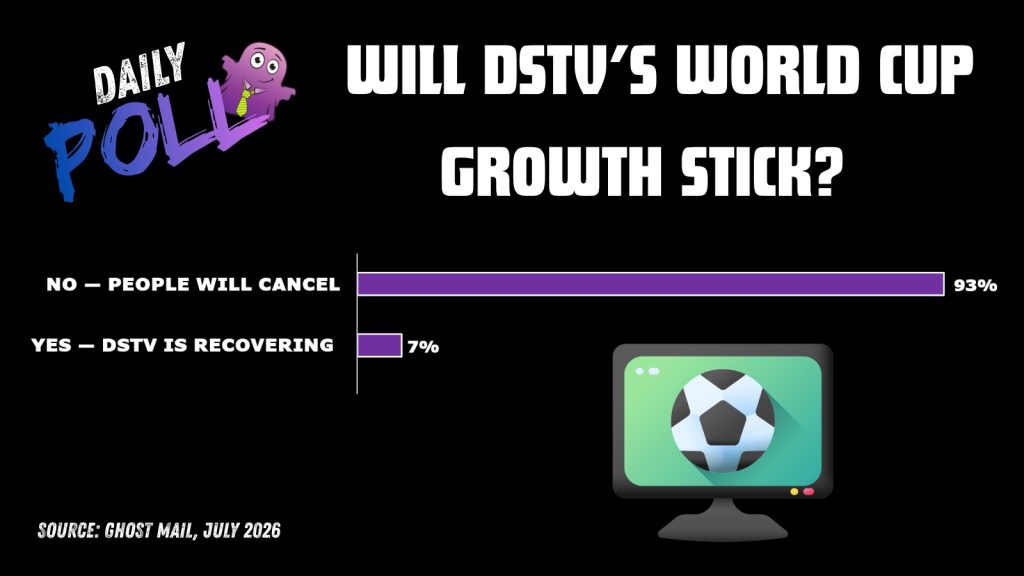
Results of previous poll:
Nibbles:
- Greencoat Renewables (JSE: GRP) has given the market an update on its net asset value and recent capital allocation. The company has a stated aim of allocating €100 million to buybacks. They’ve announced a €50 million buyback programme, with the initial €25 million already deployed and funded organically. Looking at the underlying performance, portfolio production was 6% below budget for the first half of the year, but at least they had a much better Q2 vs. Q1. Investors will hope that this momentum will continue! Overall, the net asset value per share has dipped by 2.3 cents to 97.2 cents, with lower long-term German power prices as the major drag on performance. The target for the full year dividend has been maintained.
- Putprop (JSE: PPR) is currently preparing a complicated circular that deals with multiple transactions. This includes the disposal of the Mamelodi Square Enterprise and the Dobsonville Property, as well as the acquisition of the Kramerville Letting Enterprise. To avoid having multiple circulars, they are bundling everything into a single Category 1 transaction. Given the associated administrative burden, they aren’t managing to get this done within 60 days from the associated terms announcements. The JSE has granted an extension permitting the circular to be distributed by no later than Friday, 21 August.